

Move To Boston
Boston is one of America's most livable cities — compact, walkable, and packed with distinct neighborhoods that each offer a completely different way of life. Whether you're drawn to the brownstone elegance of Back Bay, the creative energy of the South End, or the waterfront buzz of the Seaport, there's a Boston neighborhood for every lifestyle and budget.
If you're relocating to the area, or simply making your next move within the city, this guide breaks down what makes each neighborhood unique — so you can find the right fit before you start touring.
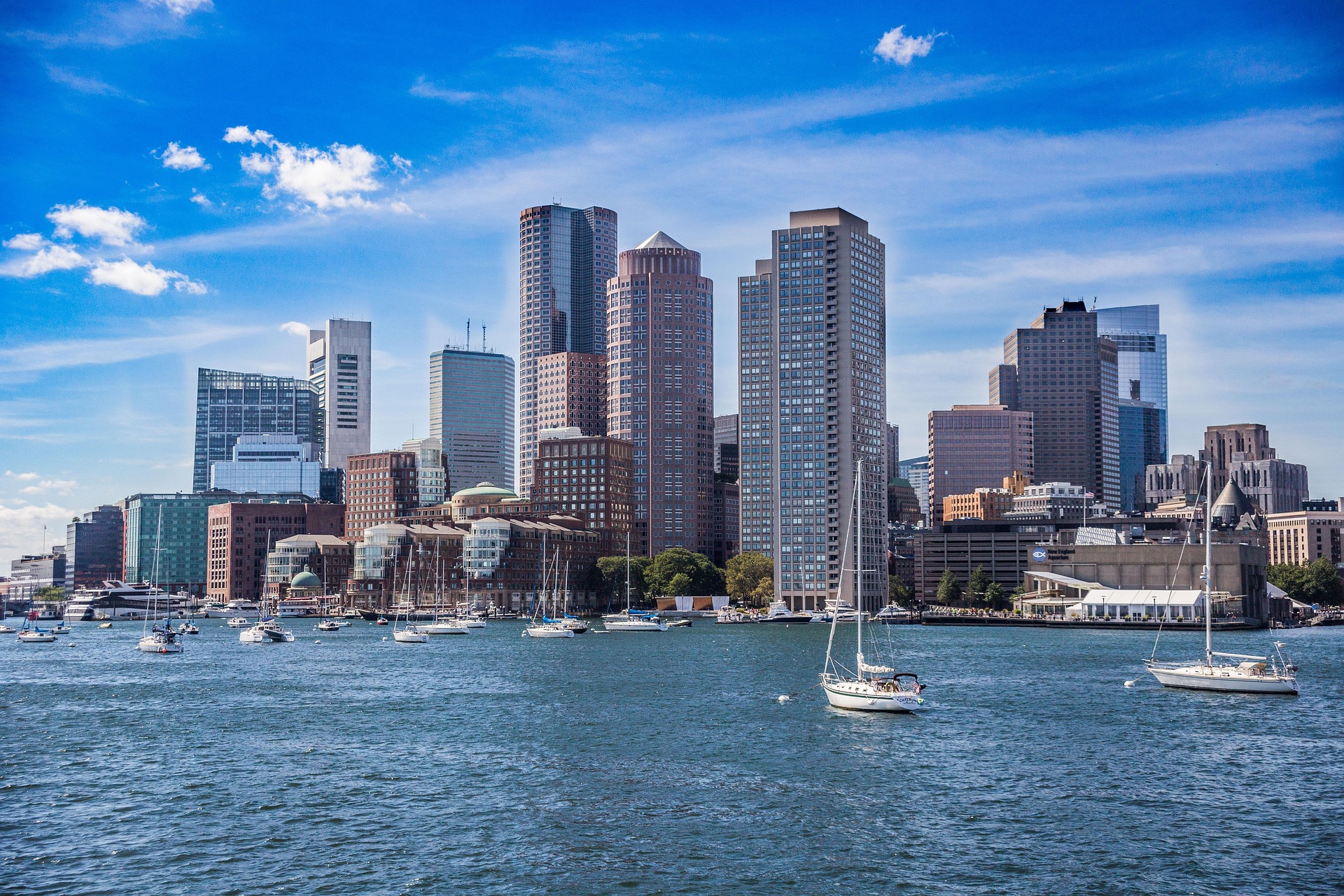
No two Boston neighborhoods are alike. Here's a closer look at the communities we work in most — and what makes each one worth considering.
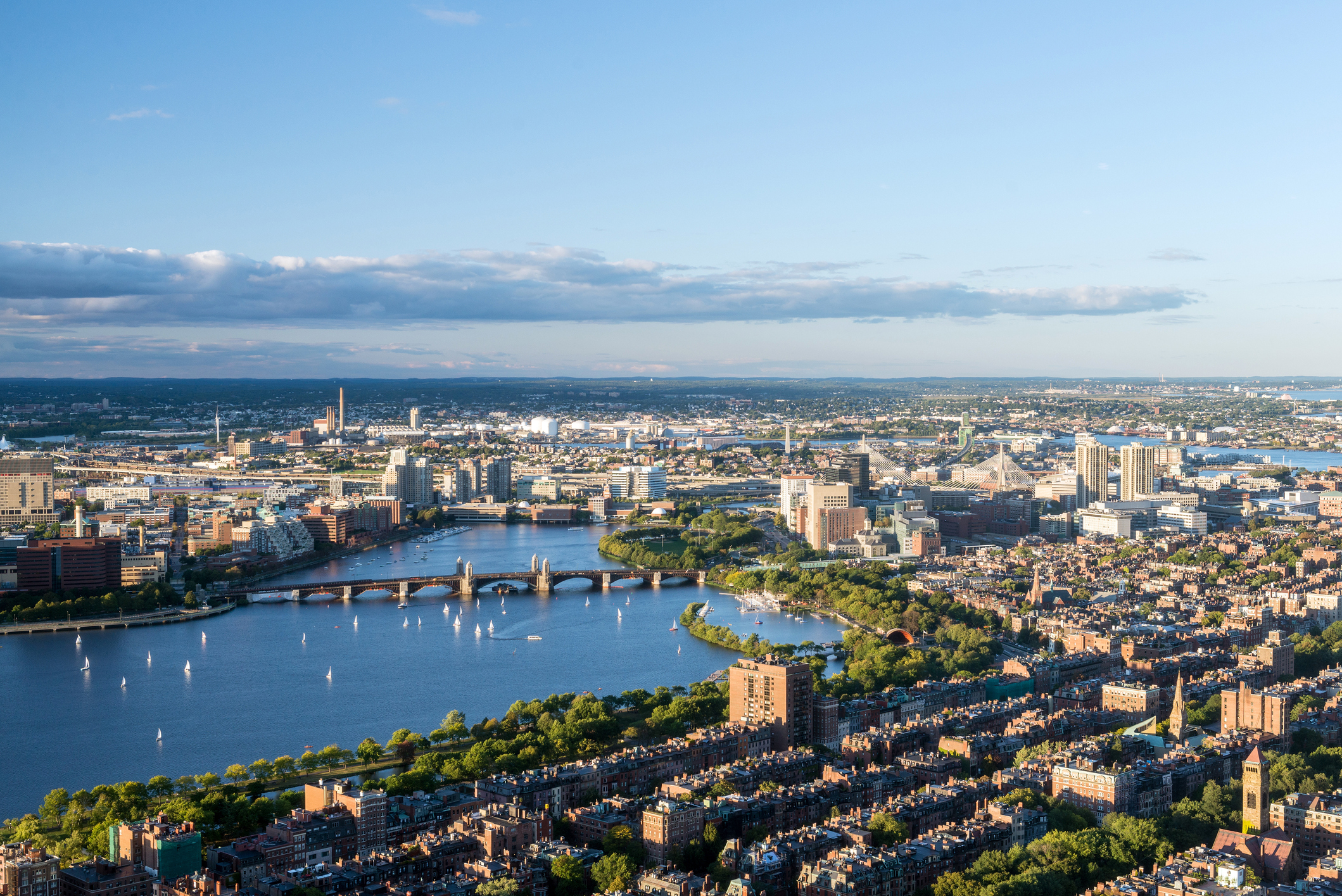
Bigger homes, larger lots, quieter streets and in many cases, access to school systems that rival the best in the state. And the best part? You're still minutes from downtown.
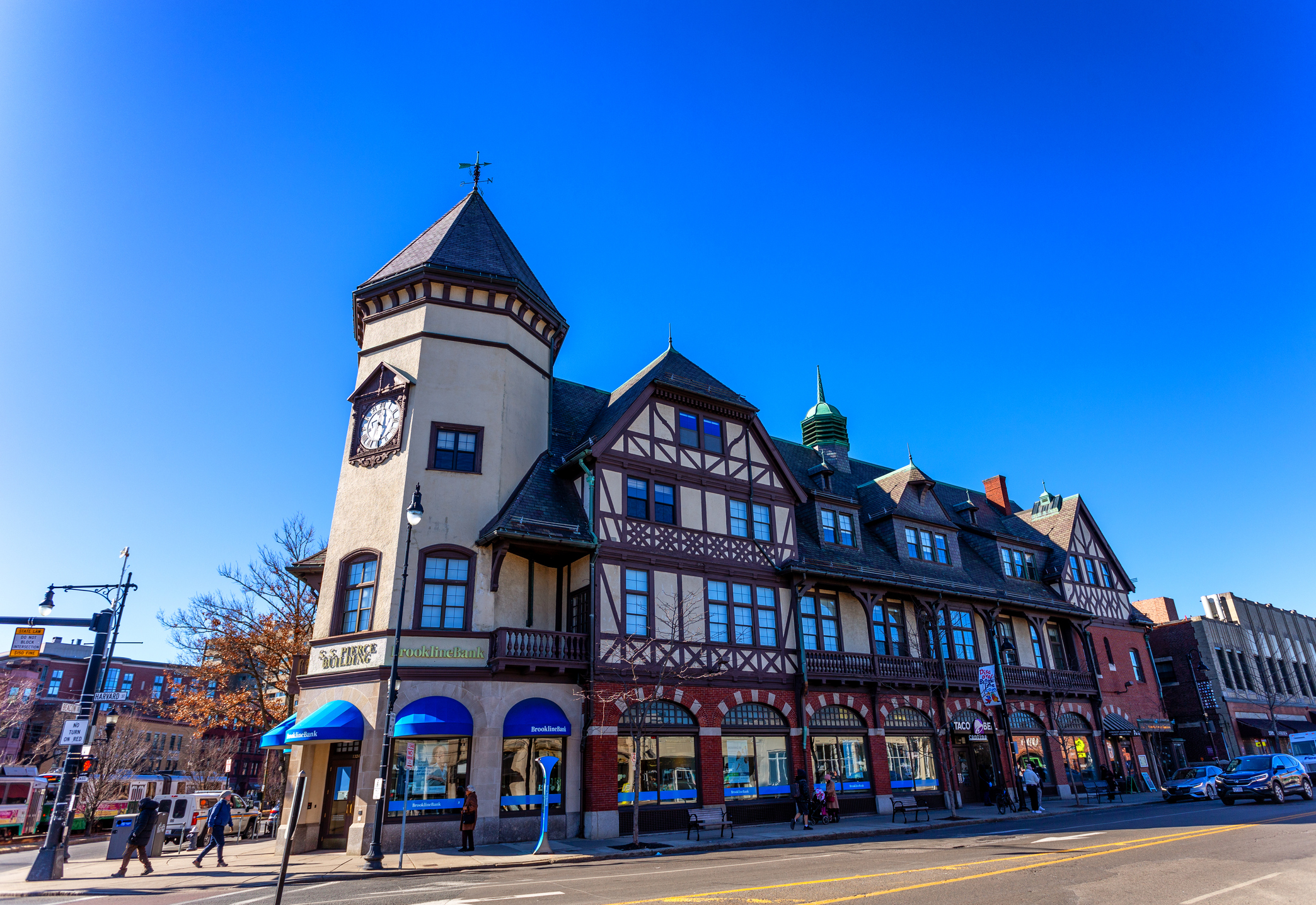
Brookline
Brookline is an independent town completely surrounded by the City of Boston — and one of the most consistently desirable communities in all of Greater Boston. It offers large homes on tree-lined streets, walkable village centers like Coolidge Corner and Washington Square, and public schools that consistently rank among the best in Massachusetts.
The Green Line runs directly through Brookline, keeping downtown Boston accessible without a car. It's a top destination for families relocating from other major metros who want the full package: schools, space, community, and city access.
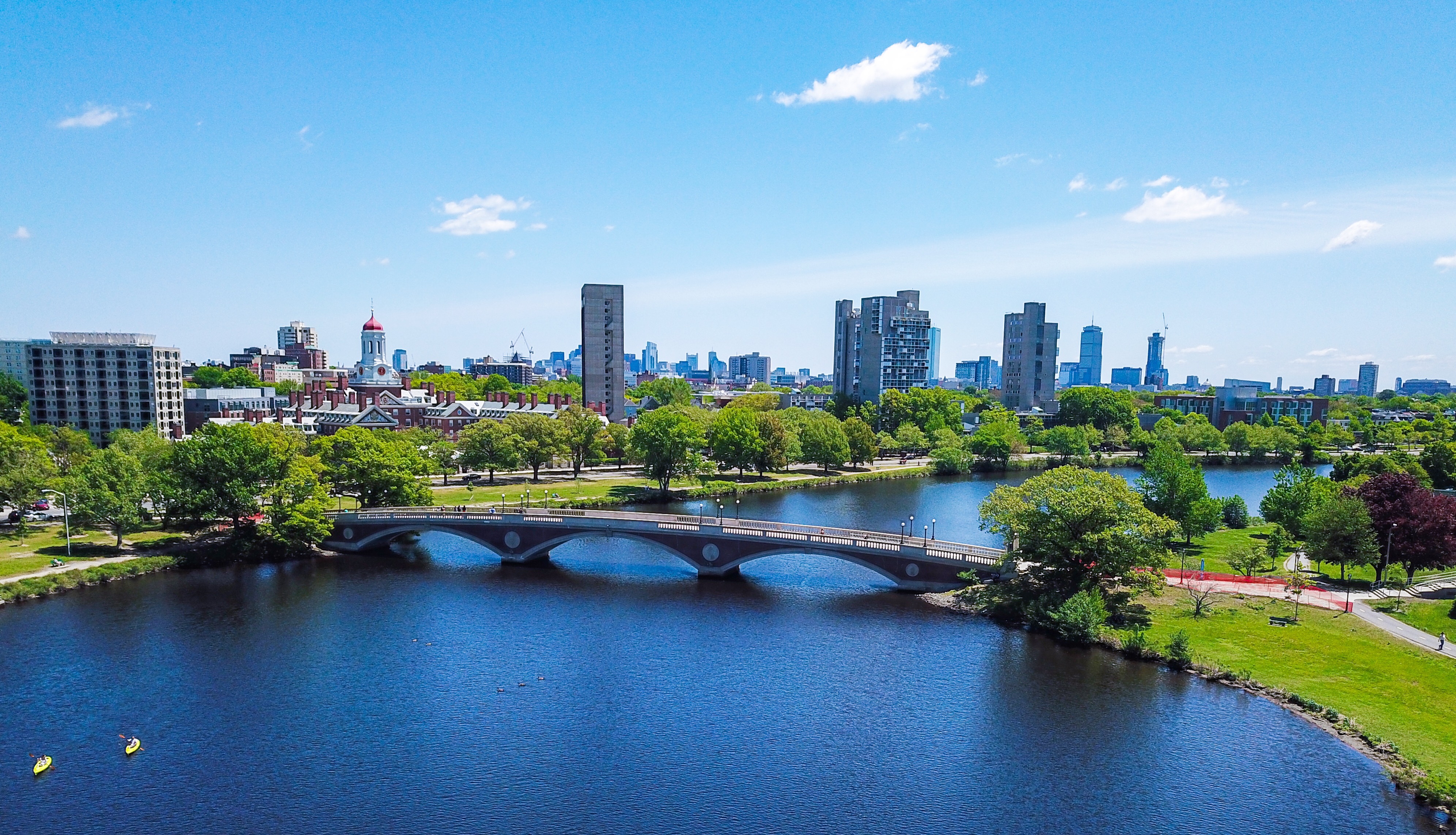
Cambridge
Cambridge is in a category of its own — a city defined by intellectual energy, cultural richness, and a level of walkability that rivals Boston proper. Home to Harvard University and MIT, it draws buyers from around the world who want to be close to world-class institutions, a thriving innovation economy, and one of the most dynamic restaurant and arts scenes in the region.
Neighborhoods range from the leafy, residential streets of West Cambridge to the dense, vibrant energy of Harvard Square and Central Square. The Red Line connects Cambridge seamlessly to downtown Boston in minutes.
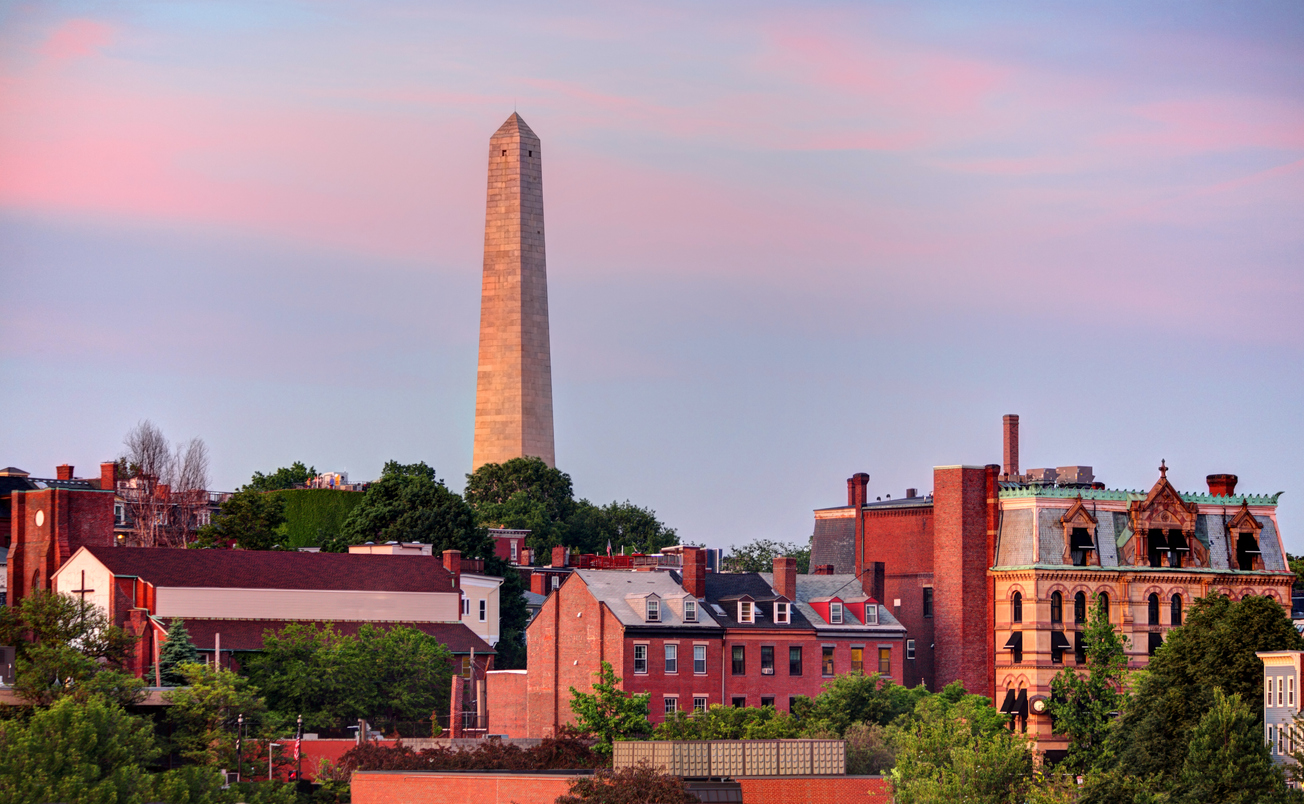
Charlestown
Charlestown is one of Boston's oldest and most charming neighborhoods — a compact peninsula with gaslit streets, Federal-era rowhouses, and sweeping harbor views from its famous hills. The Bunker Hill Monument anchors the neighborhood, and the Freedom Trail runs directly through it, giving Charlestown an irreplaceable sense of history and place.
Despite its historic character, Charlestown has become increasingly popular with young professionals and families drawn to its community feel, waterfront access, and relative value compared to Back Bay or the South End. The MBTA Orange Line and Community College station connect it to the rest of the city.
What's the difference between living in Boston vs. the suburbs?
City living in Boston means walkability, transit access, and proximity to dining, culture, and major employers — typically in condominiums or smaller multi-family homes. The suburbs offer more square footage, larger lots, and in many cases, access to highly-ranked public school districts. Many buyers choose based on life stage: younger professionals often favor the city, while families with school-age children frequently look to communities like Brookline, Newton, or Wellesley.
Which Boston neighborhoods are best for families?
Inside the city, the South End, Southie, and Charlestown are popular with families. For buyers who prioritize public school quality above all else, Brookline is the most sought-after option and offers an excellent alternative to fully suburban living.
What is the most walkable neighborhood in Boston?
Back Bay and the South End consistently earn the highest Walk Scores in the city — both scoring a 97 — with virtually every daily errand, restaurant, and transit stop within easy walking distance. The Seaport and Downtown follow closely. All of Boston's core neighborhoods are considered highly walkable by national standards.
How do I choose between Brookline, Cambridge, and Charlestown?
It comes down to what you're optimizing for. Brookline is the top pick for families prioritizing public school quality and a quieter, more residential feel. Cambridge is ideal for buyers who want an intellectually rich, walkable, transit-connected environment with a bit more urban energy. Charlestown suits buyers drawn to historic character, harbor views, and a tight-knit community feel — often at a more approachable price point than the other two.
Is Boston a good place to invest in real estate?
Boston has consistently been one of the strongest real estate markets in the country, driven by sustained demand from universities, hospitals, and a growing technology and life sciences sector. Low housing supply relative to demand has supported long-term price appreciation across most neighborhoods. That said, every neighborhood and property type performs differently — working with an experienced local team is essential to making a well-informed investment decision.
What neighborhoods in Boston are up and coming?
East Boston remains one of the most compelling value opportunities in the city — with waterfront access, Blue Line transit, and a strong community that continues to attract new buyers. South Boston's western edges near the waterfront continue to evolve. Within Greater Boston, Charlestown's ongoing development and Somerville's Green Line Extension corridor are worth watching.
How much does it cost to buy a home in Boston?
Boston's real estate market spans a wide range. Entry-level condominiums in neighborhoods like East Boston or Dorchester can start in the mid-$400s, while properties in Back Bay, the South End, and the Seaport regularly reach the millions. The Greater Boston communities of Brookline, Cambridge, and Charlestown sit in between, with strong demand and limited inventory across all price points. The Sarkis Team can provide current market data for any neighborhood you're considering.
Do I need a car to live in Boston?
Many Boston residents live comfortably without a car. The MBTA subway (the T), bus network, and commuter rail cover most of the city and its surrounding communities. Neighborhoods like Back Bay, the South End, Downtown, and Cambridge are particularly car-free friendly. East Boston and Charlestown have good transit access as well. That said, if you're commuting to outer suburbs or need flexibility for travel, having a vehicle is still practical for many households.
The Sarkis Team has deep roots across Boston's neighborhoods and the communities of Greater Boston. We know the blocks, the buildings, the school districts, and the market dynamics that don't show up in a listing search. Whether you're just beginning to explore or ready to make your move, we're here to help you find the right fit.

Social Media