

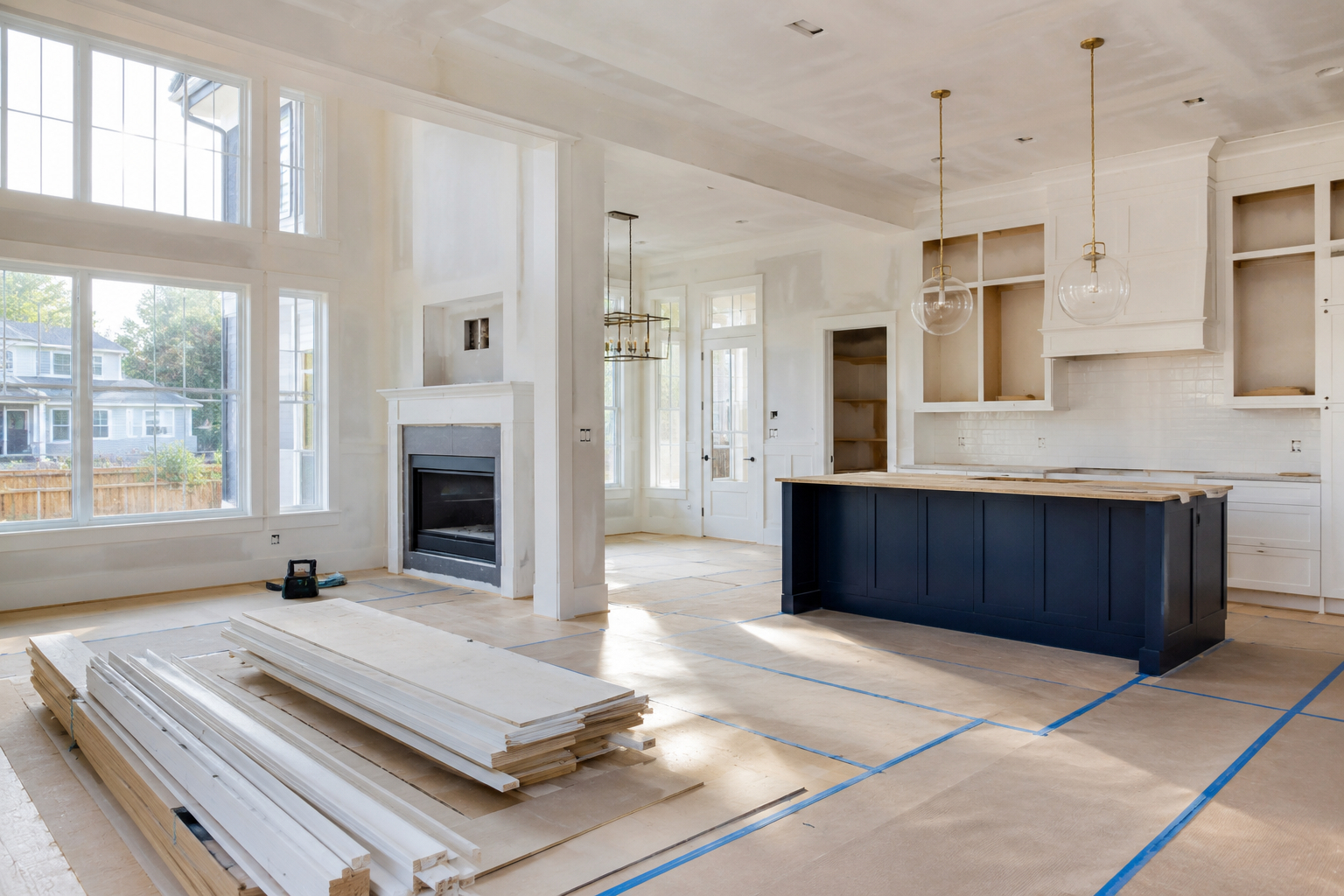
Buying new construction can offer advantages that existing homes may not, from contemporary layouts and finishes to updated building systems and energy-efficient features. Across the Boston area, buyers may encounter everything from newly built condominium developments in the city to townhomes and single-family construction in surrounding communities.
However, buying a newly constructed home is different from purchasing an existing property. Construction timelines, contracts, inspections, punch lists, warranties, and occupancy requirements can all affect the transaction.
Before purchasing new construction in the Boston area, here are some of the most important details to understand.
1. Understand Exactly What Is Included in the Purchase
Model units, renderings, and marketing materials can help buyers visualize a finished property, but it is important to confirm exactly what the purchase agreement includes.
Ask for detailed specifications covering items such as:
-
Flooring, countertops, cabinetry, and appliances
-
Plumbing and lighting fixtures
-
Heating and cooling systems
-
Smart-home technology
-
Parking and storage, if applicable
-
Outdoor spaces
-
Landscaping for single-family homes or townhomes
-
Common areas and amenities in condominium developments
Buyers should also distinguish between standard finishes and upgrades that carry an additional cost. If a feature is important to your decision, make sure its inclusion is documented rather than relying solely on a rendering or model unit.
2. Review the New Construction Contract Carefully
New construction contracts can differ significantly from standard resale agreements. Builders and developers may use their own contracts, which can address construction deadlines, deposits, upgrades, substitutions, closing requirements, and other project-specific terms.
A Massachusetts real estate attorney can help buyers understand their contractual obligations and identify provisions that deserve additional attention.
For properties that are still being built, buyers should also understand how potential construction delays are addressed and whether the developer has flexibility to modify certain finishes, materials, or plans.
3. Don't Skip the Home Inspection
A newly built property may be new, but that does not mean buyers should automatically assume every component is complete or functioning as intended.
An independent home inspection can identify concerns before closing and give buyers an opportunity to raise questions about workmanship or incomplete items.
Depending on the property, an inspector may review areas such as:
-
Electrical and plumbing systems
-
Heating and cooling equipment
-
Windows and doors
-
Walls, ceilings, and flooring
-
Roofing and exterior components when accessible
-
Appliances and installed fixtures
-
Water drainage or grading
-
Balconies, decks, or terraces
-
Safety equipment and required systems
For condominium purchases, the scope of an inspection may differ because some building components are part of the condominium's common areas rather than the individual unit.
4. Create a Detailed Punch List
The punch list is one of the most important steps when buying new construction.
A punch list documents incomplete work, defects, or items that require correction before the property is considered finished. Buyers typically walk through the home and identify issues for the builder or developer to address.
Punch-list items might include paint touch-ups, damaged flooring, misaligned doors or cabinets, missing hardware, incomplete trim, fixture problems, appliance issues, or other unfinished work.
Look closely rather than focusing only on major features. Open doors and cabinets, test faucets, inspect flooring and walls, operate windows, check installed appliances, and examine finishes throughout the property.
Buyers should understand which punch-list items will be completed before closing, how outstanding items will be documented, and what process applies if work remains afterward.
5. Confirm the Certificate of Occupancy
Before taking occupancy of a newly constructed property, confirm that the necessary Certificate of Occupancy (CO) or other required municipal approval has been issued.
A Certificate of Occupancy generally indicates that the appropriate local authority has determined the property meets applicable requirements for occupancy. The exact process and documentation can vary by municipality and project.
This is particularly important in the Boston area, where new construction takes place across multiple cities and towns with their own local building departments and permitting processes.
Your attorney and real estate professionals can help determine which occupancy documentation applies to the specific property and confirm its status before closing or move-in.
6. Understand the Builder's Warranty
Ask the builder or developer what warranties come with the property and obtain the details in writing.
Warranty coverage may differ for workmanship, appliances, mechanical equipment, roofing, windows, structural components, and other elements. Some products may carry separate manufacturer's warranties rather than coverage directly from the builder.
Pay attention to both what is covered and for how long. Buyers should also understand how to submit a warranty request and who is responsible for addressing issues after closing.
Keeping copies of contracts, warranty documents, inspection reports, receipts, and correspondence can make it easier to address questions later.
7. Research the Builder or Developer
The property itself is only one part of a new construction purchase. Buyers should also learn about the company responsible for delivering it.
Consider reviewing the builder or developer's previous projects, experience in the Boston market, and track record with similar properties. If possible, look at completed developments to get a better sense of the materials, finishes, and construction approach used over time.
For larger developments, buyers may also want to understand the project's construction phases and what portions of the property could still be under construction after they move in.
8. Review Condominium Documents and Costs
Many new construction opportunities in Boston and nearby communities are condominiums. Buyers considering a new condo should understand both their individual unit and the broader condominium structure.
Review applicable condominium documents and information concerning:
-
Monthly condominium fees
-
What those fees cover
-
Common areas and amenities
-
Parking and storage rights
-
Rules and restrictions
-
Insurance responsibilities
-
The developer's role during the initial phases of the condominium
-
Future management of the association
It is also helpful to understand which building components belong to the individual unit and which are considered common or limited common elements.
9. Plan for the Possibility of Construction Delays
A projected completion date is not always the same as a guaranteed move-in date. Weather, permitting, inspections, materials, labor availability, and other construction factors can affect schedules.
Buyers purchasing a property before completion should consider how a delay could affect their current housing, moving plans, financing, and other deadlines.
Before making commitments based on a projected completion date, review the applicable contract language with your attorney.
10. Complete a Final Walk-Through Before Closing
Even after an inspection and punch-list walkthrough, buyers should conduct a final walk-through when appropriate.
Use this opportunity to verify the property's condition and determine whether agreed-upon work has been completed. Check major systems and finishes again and confirm the status of previously identified punch-list items.
Keep records of anything that remains outstanding and understand the agreed process for resolving it.
Buying New Construction in the Boston Area
New construction gives Boston-area buyers an opportunity to purchase a property with new systems, finishes, and design features, but the process requires careful attention to details that may not arise in a typical resale transaction.
Understanding the contract, conducting appropriate inspections, creating a thorough punch list, reviewing warranties, confirming occupancy requirements, and completing a final walk-through can help buyers approach closing with greater clarity.
Browse New Construction Listings
New Construction Condos in Boston | New Construction Homes in Boston | The Sarkis Team New Construction
The Sarkis Team at Douglas Elliman Real Estate helps buyers evaluate new construction opportunities throughout the Boston area and navigate the process from initial property search through closing.
Contact the Sarkis Team to learn more about new construction homes and condominiums available throughout Greater Boston.
Frequently Asked Questions
Q: Do I need a home inspection for new construction?
A: An independent inspection can be valuable even when a property is newly constructed. An inspector may identify incomplete work, installation concerns, or other items that buyers can discuss with the builder before closing. Inspection options and timing can depend on the property and purchase agreement.
Q: What is a punch list in new construction?
A: A punch list is a written record of incomplete work or items that may need correction before or after closing, depending on the agreement. Examples can include paint touch-ups, damaged finishes, doors that need adjustment, missing hardware, or fixtures that require attention.
Q: What is a Certificate of Occupancy, and why does it matter?
A: A Certificate of Occupancy is issued by the applicable local authority and generally confirms that a property has met requirements for occupancy. Requirements can vary by municipality and project, so Boston-area buyers should confirm the appropriate occupancy documentation for their specific purchase before closing or moving in.
Q: Can a new construction home's completion date change?
A: Yes. Construction schedules can change because of permitting, inspections, weather, material availability, labor, and other factors. Buyers should review how completion dates and potential delays are addressed in their purchase agreement.
Q: Can I use my own real estate agent when buying from a builder or developer?
A: Buyers can have their own real estate representation when purchasing many new construction properties. A buyer's agent can help evaluate available properties, ask questions about specifications and timelines, coordinate due diligence, and work alongside the buyer's attorney and other professionals throughout the transaction.

Social Media