

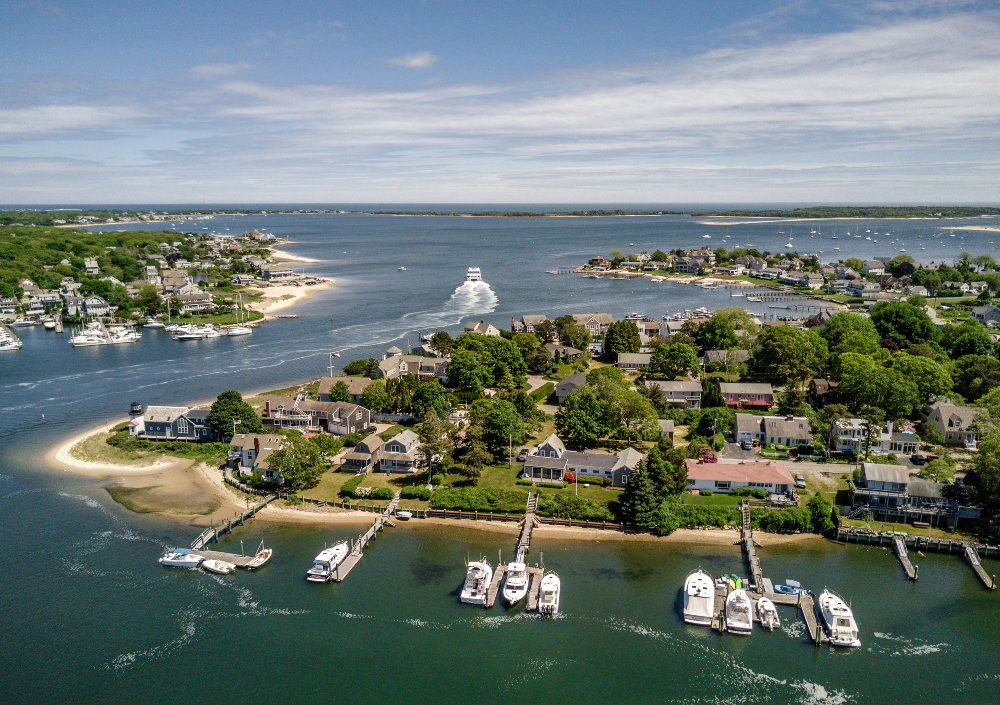
Cape Cod has long been a popular destination for buyers seeking a second home or investment property. From waterfront retreats to village residences, the region offers a wide range of real estate opportunities that support seasonal getaways, long weekends, and long-term ownership goals.
If you're considering purchasing a second home on Cape Cod, understanding the local market, seasonal considerations, and available property types can help you make a well-informed decision.
Why Buy a Second Home on Cape Cod?
Cape Cod offers a unique combination of coastal scenery, recreational opportunities, and established communities. Many buyers are drawn to the area's beaches, boating, golf courses, walking trails, and local shops and restaurants.
A second home can provide:
-
A dedicated vacation destination for personal use
-
A property that may be suitable for seasonal rental opportunities, subject to local regulations
-
Long-term ownership in one of Massachusetts' most recognized coastal regions
-
Flexibility to enjoy the Cape throughout different times of the year
Whether you're looking for occasional weekend escapes or an investment that complements your lifestyle, Cape Cod offers options across a variety of price points and locations.
Understanding Cape Cod's Seasonal Market
The Cape experiences noticeable seasonal shifts that can influence both homeownership and purchasing decisions.
Spring and Summer
Warmer months typically bring increased buyer activity and more visitors. Inventory may move quickly, particularly for waterfront properties and homes near beaches and village centers.
Fall
Many buyers appreciate the quieter atmosphere while still enjoying mild weather. Fall can provide opportunities to explore neighborhoods with less seasonal traffic.
Winter
While activity generally slows, winter offers valuable insight into year-round living conditions, including accessibility, heating systems, and weather-related maintenance considerations.
Viewing properties during multiple seasons can help buyers better understand how a home functions throughout the year.
Common Property Types
Cape Cod offers a diverse selection of homes to fit different ownership goals.
Single-Family Homes
Detached homes remain one of the most popular choices for second-home buyers. They often provide private outdoor space and greater flexibility for personal use.
Waterfront Properties
Homes along the ocean, bays, harbors, and ponds offer direct access to the Cape's coastal lifestyle. These properties may require additional considerations related to insurance, maintenance, and environmental regulations.
Condominiums
Condos can provide a lower-maintenance ownership experience, making them attractive for buyers who plan to visit periodically. Buyers should review association fees, rules, and amenities before purchasing.
Luxury Homes
Luxury properties may include custom construction, expansive views, premium finishes, private waterfront locations, or larger lots.
If you're interested in high-end coastal residences, explore Luxury Homes on Cape Cod MA to view available opportunities.
Consider Maintenance and Ownership Costs
Owning a second home comes with responsibilities beyond the purchase price.
Buyers should budget for:
-
Property taxes
-
Homeowners insurance
-
Flood insurance where applicable
-
Utilities
-
Landscaping
-
Snow removal, if needed
-
Routine maintenance
-
Property management services if the home will be vacant for extended periods
Understanding these ongoing expenses can help create realistic ownership expectations.
Thinking About Rental Potential
Some owners choose to rent their property during portions of the year when they are not using it.
Before purchasing with rental income in mind, research:
-
Local short-term rental regulations
-
Licensing or registration requirements
-
Occupancy restrictions
-
Property management options
-
Expected maintenance between guest stays
Rental rules can vary by municipality, making local guidance especially valuable.
Choosing the Right Location
Cape Cod includes a variety of towns, each offering distinct settings and amenities.
When evaluating locations, consider factors such as:
-
Distance to beaches
-
Marina access
-
Walkability to village centers
-
Nearby golf courses
-
Shopping and dining
-
Commuting needs
-
Year-round versus seasonal services
Identifying your primary goals for the property can help narrow your search.
Getting Started
Beginning with a clear understanding of your budget, preferred locations, and intended use can streamline the buying process.
Working with a local real estate professional can help you evaluate market conditions, compare neighborhoods, and identify properties that align with your objectives.
Ready to begin your search? Browse our current Cape Cod MA Homes for Sale to explore available listings throughout the region.
Frequently Asked Questions
Q: Is buying a second home on Cape Cod different from buying a primary residence?
A: The purchasing process is generally similar, but financing options, insurance requirements, tax considerations, and ongoing maintenance responsibilities may differ. Buyers should discuss these factors with their lender and other advisors early in the process.
Q: What types of second homes are available on Cape Cod?
A: Buyers can find single-family homes, waterfront properties, condominiums, townhomes, and luxury residences across many Cape Cod communities. The available inventory varies by location and season.
Q: Can I use my Cape Cod second home as a rental property?
A: Many owners choose to rent their homes seasonally, but local regulations, licensing requirements, homeowners association rules, and municipal ordinances may apply. Reviewing these requirements before purchasing is recommended.

Social Media