

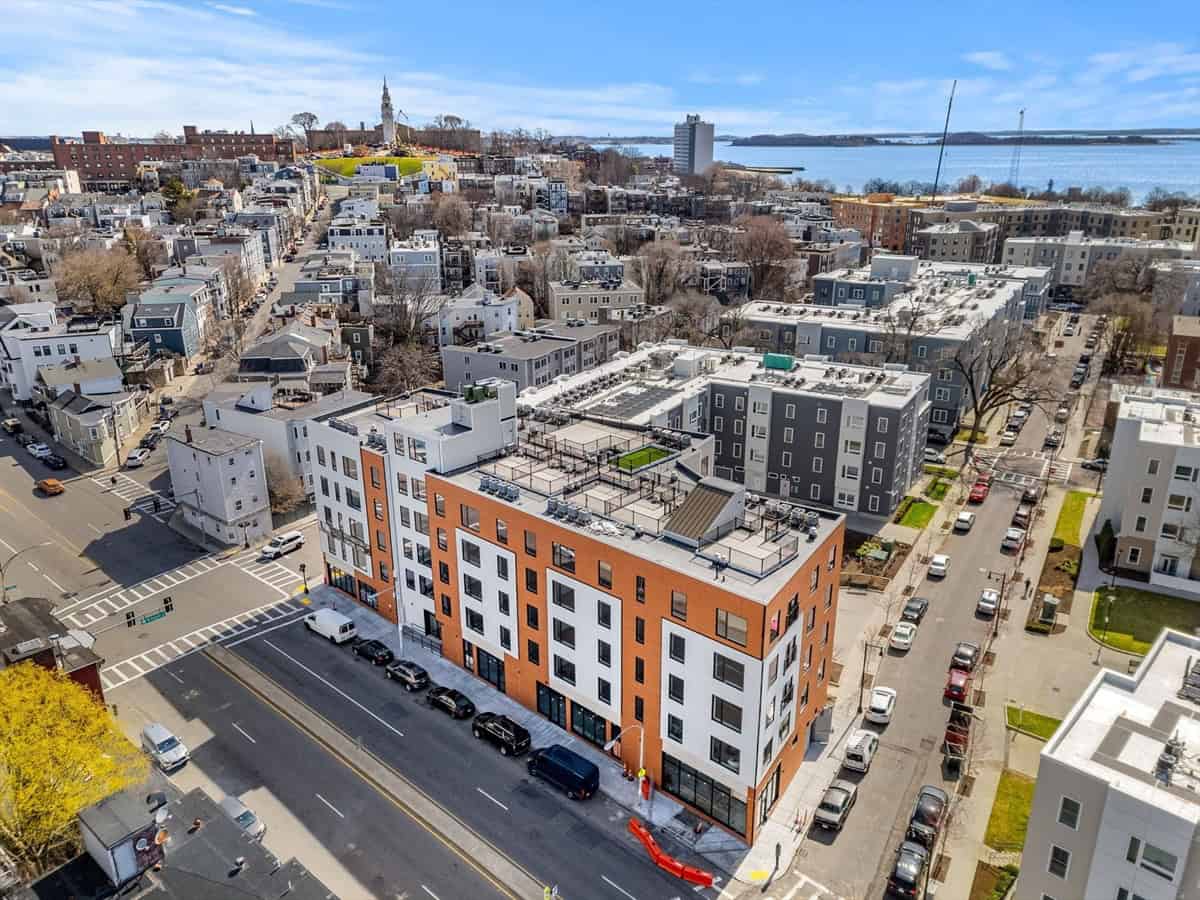
Selling real estate in Boston requires a strategic approach, but selling a luxury condominium presents a unique set of opportunities and challenges compared to selling a single-family home. While both property types can command premium prices, luxury condo buyers often evaluate different factors, expect different amenities, and navigate a different purchasing process.
If you're preparing to sell a luxury condo in Boston, understanding these differences can help you position your property more effectively and maximize its market appeal.
Luxury Condo Buyers Focus on Lifestyle and Convenience
Buyers shopping for luxury condominiums are often seeking a specific lifestyle. They may prioritize walkability, concierge services, fitness centers, private parking, rooftop amenities, or proximity to Boston's business districts, waterfront, cultural attractions, and dining destinations.
When marketing a luxury condo, it's important to highlight not only the residence itself but also the lifestyle benefits that come with the building and surrounding neighborhood. Features such as private elevators, valet parking, resident lounges, and building security can significantly influence purchasing decisions.
By contrast, buyers considering luxury single-family homes may place greater emphasis on lot size, outdoor living spaces, privacy, and property customization opportunities.
The Building Matters as Much as the Unit
When selling a luxury condo, prospective buyers evaluate both the individual residence and the condominium association.
Buyers often review:
- Monthly HOA fees
- Building financial health
- Reserve funds
- Recent or planned capital improvements
- Rules and regulations
- Amenity offerings
- Owner occupancy ratios
A well-managed building can add substantial value to a luxury condo sale. Providing organized documentation and transparency regarding building operations can help buyers feel confident moving forward.
For luxury homes, there is typically no association review process, making the transaction more focused on the property itself.
Pricing Requires a Different Market Analysis
Luxury condo pricing is influenced by factors that don't necessarily apply to single-family homes.
These may include:
- Floor level
- View corridors
- Building reputation
- Unit orientation
- Amenity packages
- Recent sales within the building
- HOA fee structure
Because comparable sales often come from within the same building or nearby luxury developments, condo pricing strategies can differ significantly from those used for detached homes.
An experienced luxury real estate team can evaluate both building-specific and neighborhood-wide market trends to establish a competitive pricing strategy.
Presentation and Marketing Are More Targeted
Luxury condo marketing often requires a highly curated presentation.
Professional photography, video tours, floor plans, and digital marketing campaigns help showcase the residence's unique features. Marketing materials should also emphasize the building's amenities, services, and location advantages.
For many luxury condo buyers relocating from other cities or countries, online marketing plays a critical role in generating interest before an in-person showing ever takes place.
Luxury home marketing may focus more heavily on land, outdoor spaces, architectural details, and property grounds, while luxury condo marketing centers on convenience, views, design, and lifestyle.
Showings Can Be More Complex
Unlike single-family homes, condominium showings often involve coordination with building management, concierge staff, security protocols, and resident access requirements.
Sellers should prepare for:
- Scheduled showing windows
- Lack of open houses
- Guest registration procedures
- Elevator reservations
- Building access instructions
Creating a seamless showing experience helps ensure prospective buyers can fully appreciate the property without logistical distractions.
Timing and Market Conditions Can Impact Luxury Condo Sales
The luxury condo market operates differently than many other housing segments. Inventory levels, new development activity, interest rates, and buyer demand can all influence marketing strategy and pricing decisions.
In Boston's luxury market, understanding current inventory trends within both the neighborhood and competing buildings is essential. Strategic timing and market positioning often play a significant role in attracting qualified buyers and achieving favorable results.
Work With a Team That Understands Boston's Luxury Condo Market
Selling a luxury condo involves more than listing a property. Success often depends on understanding buyer expectations, building dynamics, pricing strategy, and targeted marketing.
Whether your condominium is located in Back Bay, Beacon Hill, Seaport, or South End, partnering with experienced luxury real estate professionals like The Sarkis Team can help ensure your property receives the attention and exposure it deserves. Visit our seller's page to learn more about our process or contact us today.
Frequently Asked Questions
Q: How long does it take to sell a luxury condo in Boston?
A: The timeline varies based on market conditions, pricing, building competition, and property presentation. Well-positioned luxury condos that are competitively priced and effectively marketed often attract stronger buyer interest and shorter market times.
Q: Do HOA fees affect the sale of a luxury condo?
A: Yes. Buyers consider HOA fees alongside mortgage costs and property taxes when evaluating affordability and value. It's important to demonstrate how the building's amenities, services, and maintenance contribute to the overall ownership experience.
Q: What documents should I prepare before listing my luxury condo?
A: Sellers should gather condominium association documents, financial statements, budgets, rules and regulations, recent meeting minutes, and information about any planned building improvements. Having these materials readily available can help streamline buyer due diligence and support a smoother transaction.

Social Media